Neurodiversity is a word that has entered our lexicon within the last five years, particularly following the pandemic.
neurodiversity can be defined as the diversity and variances in neurological behavior amongst groups of people.
our world has drastically shifted in the last twenty years due to technological advancements, and the impact it has on our mental state is the cause for not only its identification, but discussion.
in undergraduate, i was poised to enter a doctoral program in the humanities upon completion of my academic study, but life didn’t happen that way.
i graduated and deferred a full-ride to Columbia Journalism Schools’ M.S. documentary program to accept a Fulbright scholarship to teach in North Africa for a year.
after completing my Fulbright and graduating from CJS, i began my professional career as a ghostwriter. shortly thereafter, i landed a role as Manager of Development Communications in international philanthropy.
i met Heads of State[s], Ambassadors, diplomats, and travelled all throughout West Africa. but, I wasn’t satisfied…
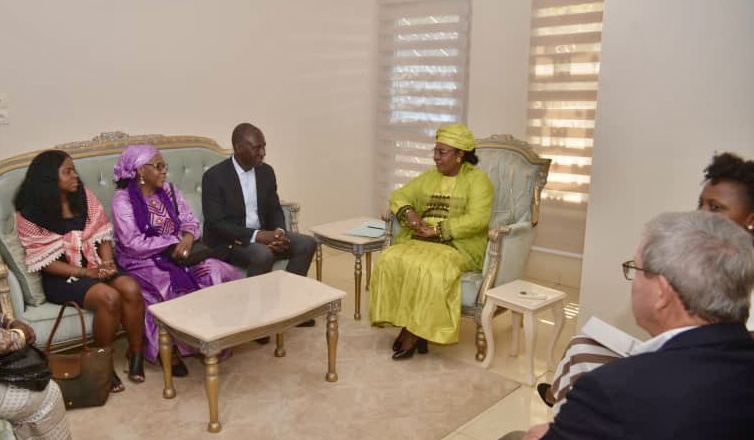
(Niamey, Niger, February ’20)
my heart wasn’t set on becoming an organizational leader or entrepreneur. it was to become a doctoral student or, at the very least, work at a college/university.
growing up—and still to this day—i was a hardcore perfectionist. this disposition rewarded me, from advancing to the citywide History Day competition in middle school to receiving a design award at the United States Naval Academy (USNA) STEM camp.
but i didn’t care about the accolades. i simply desired to create work that measured against my internal standard of excellency.
during the height of the pandemic, i was diagnosed with depression, ADHD, and anxiety; the latter i always knew. to cope, i began a wellness regimen that centered diet.
i also began routinely seeing a psychologist and nurse practitioner for medication management.
coping with a mental illness isn’t easy; it’s a constant negotiation between your mind and body, and finding ways for them both to exist in alignment.
if you, too, find yourself looking for tips to cope with having a mental illness, here are seven tips i personally curated:
1. Find mental healthcare providers you trust. Unlike physical physicians, you will often find yourself sharing intimate life experiences with your care providers. This, inherently, creates a relationship imbalance. Thus, finding someone who is similar to you, or shares certain identity markers such as background, educational level, income, religion, etc., can either positively influence or be the cause for a negative experience.
2. Find a dietary regimen that works. Through trial-and-error, you will find if omitting certain foods will help you to feel better or not. Home-cooked meals made with intention and rooted in nostalgia have the power to evoke positive memories, which can be beneficial in improving your overall well-being.
3. Dress up! Before the pandemic, I didn’t own any sweatpants. But, last year, I rid myself of all sweatpants and started dressing up in the name of self-care. Focusing on your appearance and adorning the person in the mirror can drastically improve your self-confidence and mood.
4. Create and cultivate outlets for self-expression. Whether it’s painting, pottery-making, writing poetry, or creating digital works, we as humans have the limitless ability to create things, both tangible and intangible, for ourselves and others.
5. Romanticize everything! Household chores can suddenly take on new meaning, making life more bearable, when they’re being done to your personally curated musical playlist.
6. With discretion, find or reconnect with individuals and communities who you know and who know you. I emphasize discretion because, as you matriculate through life, not everyone is invested in your journey, which can be disheartening. But, for those that do, they are your people…and you should keep them close.
7. Find a practice that grounds you. This can be achieved through meditation, prayer, going to the gym, or following a dietary regimen. Finding a practice that centers you is important as it will help to regulate your emotional pattern.
anyways, i hope this is helpful.
love & madness,


 Bojepsÿ
Leave a comment